
“Experience Design” is a term that has been thrown around a lot this decade since everybody lately has been on a mission to elevate the experience of their products and services. In Experience Design, empathy is applied to observe, analyze, and evaluate how users interact with digital products. Among its many activities are user research, information architecture, content strategy, testing, and prototyping.
Experience is at the heart of UX design.
Businesses cannot grow if they don't build positive customer experiences for their customers. To begin building a people-conscious product, designers need to hypothesize, test, and build it from day one with the end users in mind.
This field is a culmination of Design, Interactive logic, Technology, Branding-Marketing and Business logic. An experience designer needs to be multi-faceted and possess multiple skill sets.
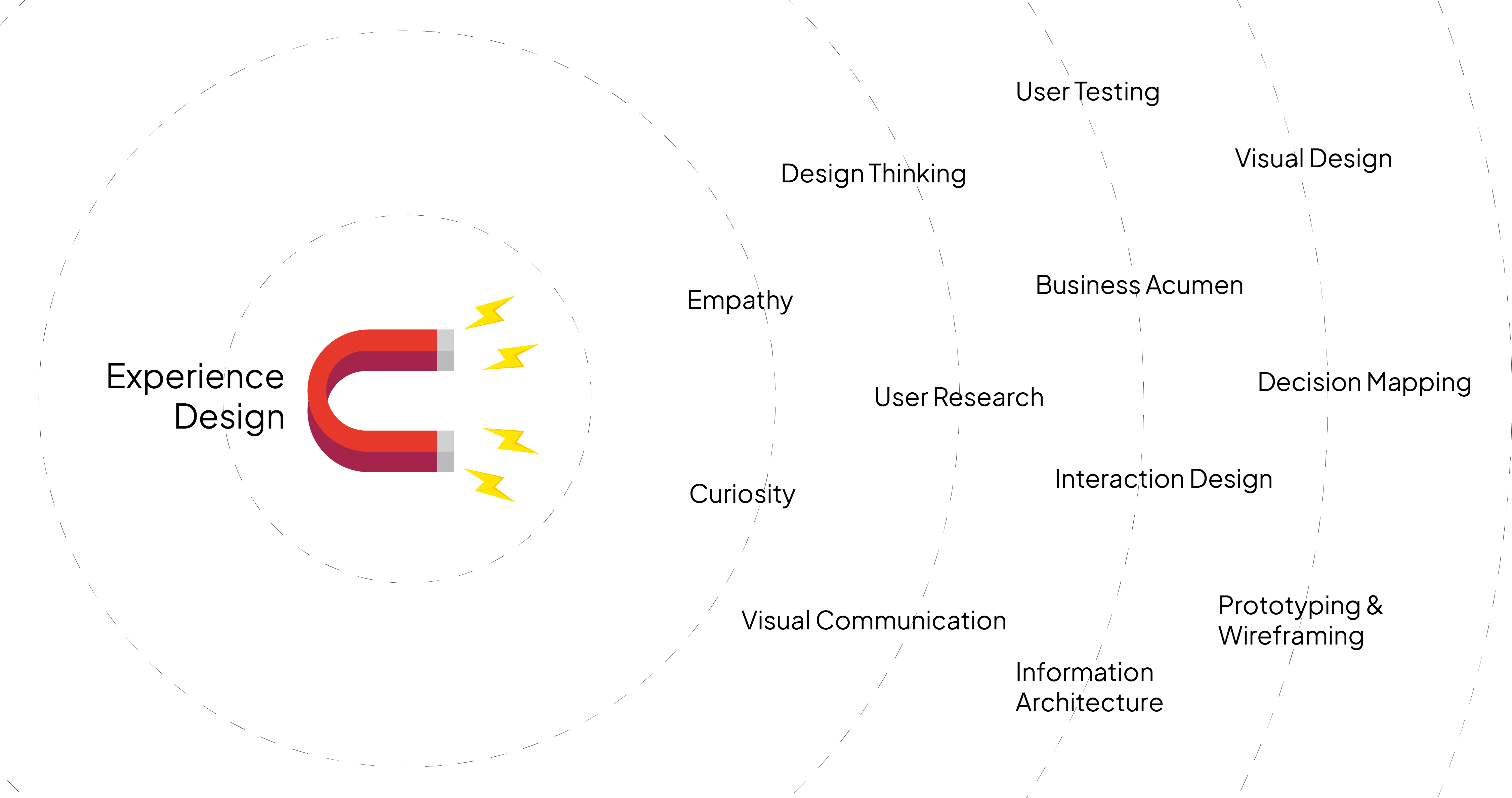
Figure 1. Skillsets of an Experience Designer
Empathizing with the users helps build products that solve everyday problems. It helps build valuable features and even eliminates specific components that are dispensable.
Research can also help designers develop future-proof frameworks that won't be a hindrance in upcoming builds of the product/service. A long-term orientation mindset (Cimpan, 2021) is critical for such builds where the team believes in the features to adapt to the situation, context, and time.
Enables building seamless experiences between components of a product. By simplifying the user flow, end-users intuitively navigate from one section to another ‘freely’ with continuous merging (Dewey, 1958).
Promotes greater retention of customers. Customers who love your product are more likely to stay on the platform and use it. The business will be able to benefit from this.
Helps identify the truth behind solutions to problems by encouraging a culture of connoisseurship and criticism (Eisner, 2012).
I have incorporated my values into every design solution I have created. The subtly of this approach allows me to express things that would otherwise remain unsaid or unnoticed.
The first and foremost thing I do is maintain my design philosophy of Sentient Centric design. The goal is to try to come up with a solution that works not only for users but also for stakeholders, the environment, other audiences and everything around it.
Delivering value together as a group is another value that is very dear to me. Designers must approach problems together in a group since it helps them approach the problem statement from different points of view. It creates a culture of iterative work and receiving feedback and critique that allows one to learn from it.
Diversity through inclusivity is another value I cherish. Investing in a diverse team with diverse backgrounds is the only way to make sure we are inclusive with our designs as a group.
Using Key Performance Indicators (KPIs) is the only way to determine if personal values are being upheld with my designs. They would quantify the design solution and validate its effectiveness.
Some KPIs that could work to assess personal values would be-
Conducting a usability test with a larger variety of personas to verify if it works for all.
Check the Task success rate to see if the solution the team came up with delivers value and performs as expected.
User experience is a field that is constantly on a learning path. It is shaped and moulded by current trending technologies and fashions in the industry. As a result of the trending fields, the UX industry can be seen as being affected by new designs, critiques, and products in the digital technology sector (Pan & Stolterman, 2015).
With the rise in Machine learning, user experience has played a vital role in data visualization and even in the world of Metaverse.
Experience design in data visualization makes the project more approachable and digestible at the same time. If we understand the data gathered from Machine learning, users can comprehend, analyse and dissect the formulas better. Creating algorithms with this knowledge would help them be more efficient. In the same way, that data can inform UX design decisions, design can also reveal what's happening in the data to the user and make the process transparent.
There's no denying that the world of the metaverse has shaped our interaction with augmented and virtual reality. UX designers in the field are having to think of consumers as players rather than users. UX will need to be immersive across all forms, even beyond metaverse world-building. Designers should focus on seamlessly integrating a product, service, or advertisement into the metaverse as the line between virtual and real continues to blur. The more natural, authentic, and consumer-driven the UX design, the more likely consumers are to interact with it.
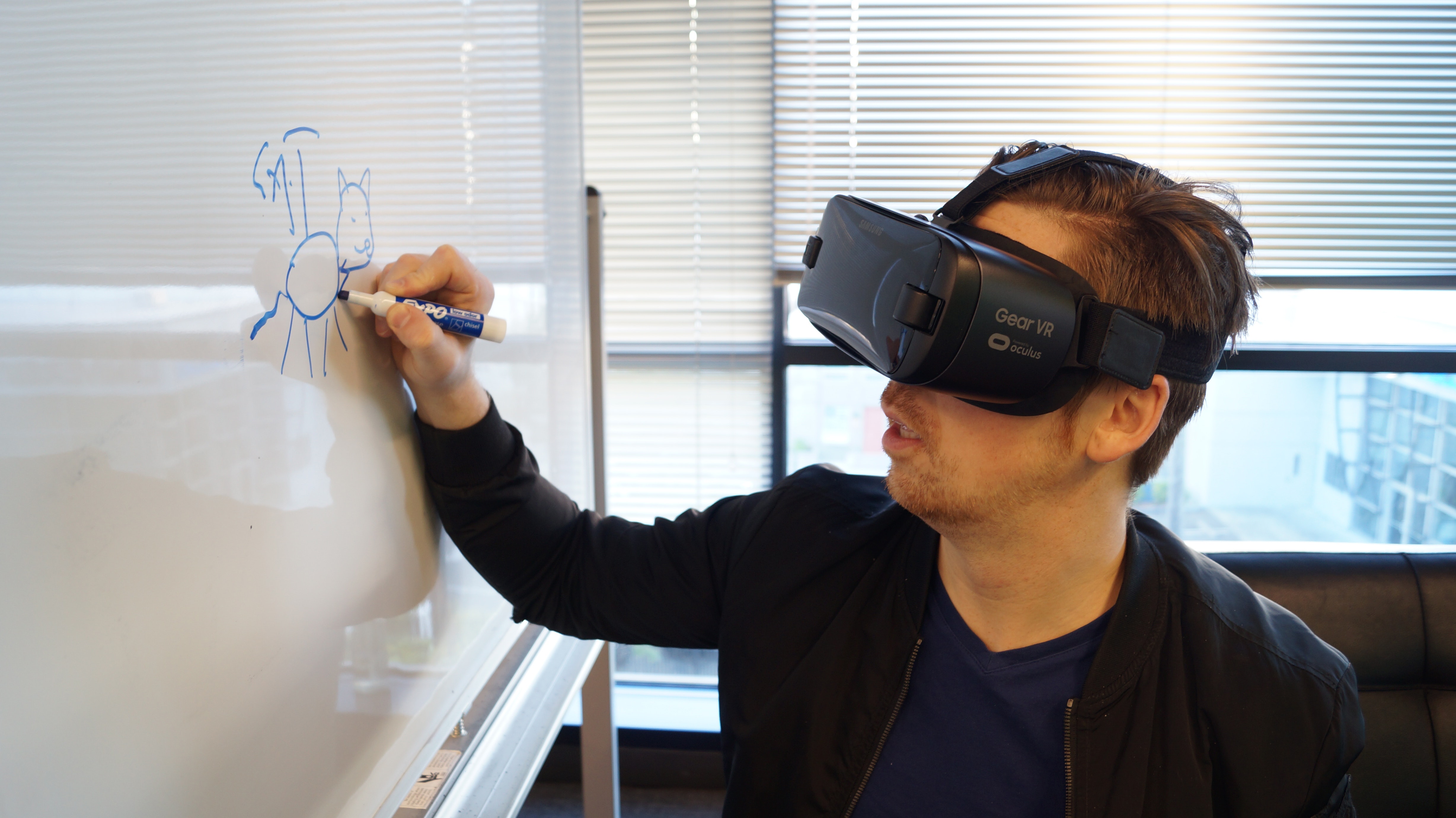
Figure 2. User engaged in the metaverse (Capon, 2018)
User experience is a field that is constantly on a learning path. It is shaped and moulded by current trending technologies and fashions in the industry. As a result of the trending fields, the UX industry can be seen as being affected by new designs, critiques, and products in the digital technology sector (Pan & Stolterman, 2015).
There's no denying that the world of the metaverse has shaped our interaction with augmented and virtual reality. UX designers in the field
are having to think of consumers as players rather than users. UX will need to be immersive across all forms, even beyond metaverse world-building. Designers should focus on seamlessly integrating a product, service, or advertisement into the metaverse as the virtual and real lines blur. The more natural, authentic, and consumer-driven the UX design, the more likely consumers are to interact with it.
It's difficult to predict the future with certainty, but experience design will likely become even more important in the coming years as technology continues to advance and change the way we live and interact with the world. With each passing decade, technology becomes more immersive. As a result, experience designers will need to be able to adapt to new technologies and design solutions that meet the evolving needs of users. It's also possible that as the field of experience design grows and matures, there may be more standardized approaches and best practices that emerge. However, at the same time, the increasing complexity of technology and the rapid pace of change may make experience design more challenging overall.
Experience design will continue to play a crucial role in shaping the way people interact with technology and digital platforms. As technology becomes increasingly integrated into our daily lives, the importance of creating intuitive, seamless, and enjoyable experiences for users will only grow.
There are a few key things that experience designers can do to stay relevant in a rapidly-changing field.
First, it is important to keep up with the latest trends and developments in user experience design. This can be done by reading industry publications, attending conferences and workshops, and networking with other designers. Some resources that I am guilty of using are platforms like ADPList to connect with industry experts and going through blogs such as UX collective and UX planet.
Second, it is important to continually develop and improve your skills and knowledge. This can be done by taking courses and training programs, experimenting with new design techniques and technologies, and staying open to new ideas and approaches.
Finally, it is important to stay engaged with the design community and stay attuned to the needs and challenges of your clients and users. This can be done by participating in online forums and communities, collaborating with other designers, and staying involved in design-related organizations and events. Frequently, I interact with other designers on a discord channel called Design Buddies, which helps me stay up-to-date on industry news.
Experience design will continue to play a crucial role in shaping the way people interact with technology and digital platforms. As technology becomes increasingly integrated into our daily lives, the importance of creating intuitive, seamless, and enjoyable experiences for users will only grow.
Cimpan, A. (2021, December 14). How culture impacts UX - UX Collective. Medium. https://uxdesign.cc/how-culture-impacts-ux-design-6443a80319f3
Dewey J. (1958). Art as experience. Capricorn Books. Retrieved December 13 2022 from http://books.google.com/books?id=Er5PAAAAMAAJ.
Elliot W. Eisner (2012, December 7), connoisseurship, criticism and the art of education – infed.org: https://infed.org/mobi/elliot-w-eisner-connoisseurship-criticism-and-the-art-of-education/
Capon, E. (2018). Person wearing black VR box writing on White Board. Retrieved December 14, 2022, from https://www.pexels.com/photo/person-wearing-black-vr-box-writing-on-white-board-1261816/
Pan, Y., & Stolterman, E. (2015). What if HCI Becomes a Fashion Driven Discipline? Proceedings of the 33rd Annual ACM Conference on Human Factors in Computing Systems. https://doi.org/10.1145/2702123.2702544